Electronic Component Guide
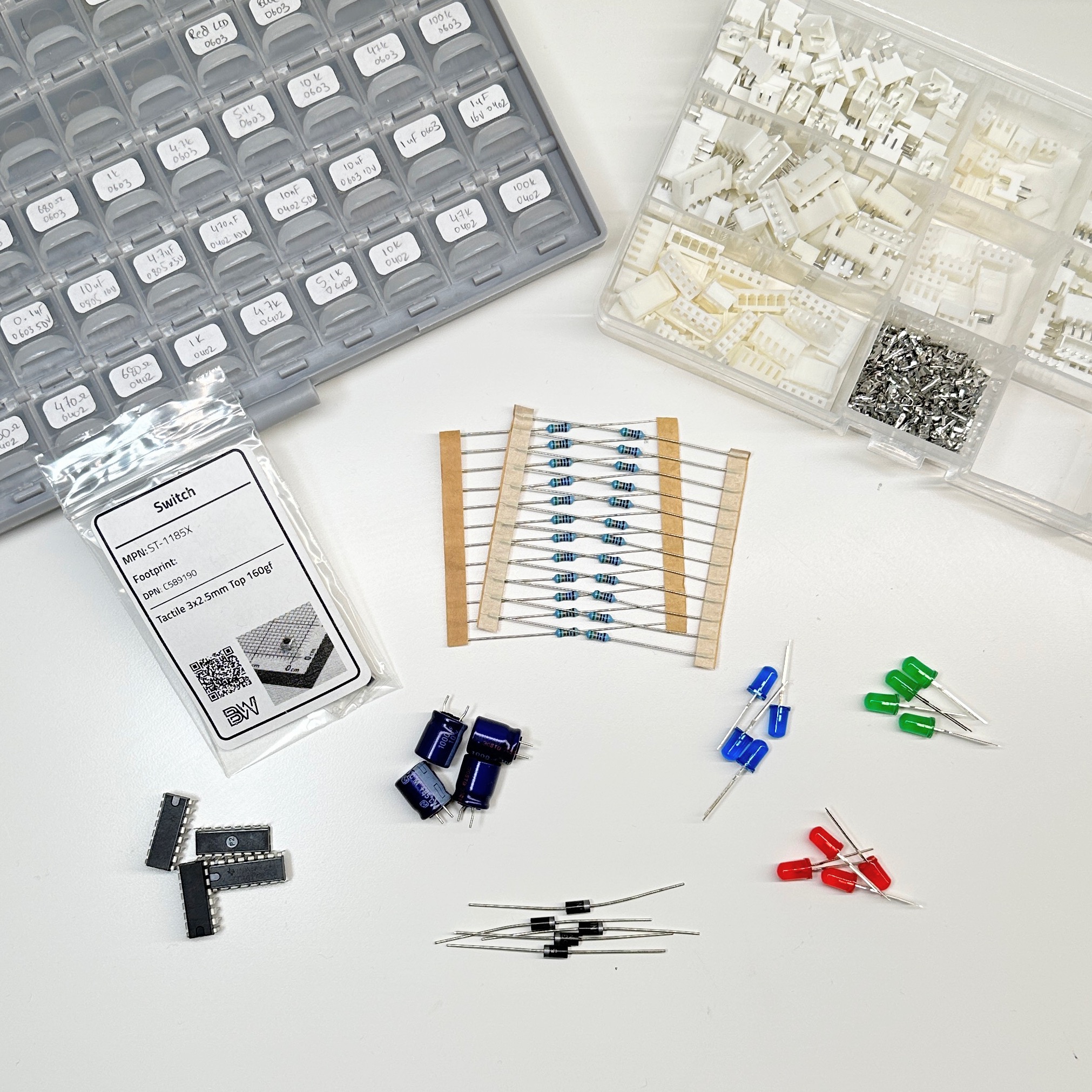
In this article, I will guide you through building an inventory of components to get you started on your electronics journey. This guide will have sections for a few different types of audiences but will primarily focus on building a trackable inventory of common components for SMD circuit design. It is fairly lengthy so feel free to jump to a section of interest.
Introduction
The aim of this article is to help you build a base inventory of common components that you can use as a starting point for your own custom inventory. This will help you standardize your designs, streamline your workflow and provide a list of trackable components that you can reference and restock as needed.
I will be recommending common components that I think would be ideal to have for a variety of circuit designs. I will also mention some application specific components based on my own experience. You can use the base inventory that I present here and add more specialized components to it as you develop more designs.
You can choose to either order all the base components at once when you start your circuit design journey, or order it as needed for the project you are currently working on. Both are valid choices. I personally prefer the first because it offers more design flexibility.
Note: I earn a small commission on Amazon purchases made through this post. But rest assured, my recommendations are not influenced by that at all. Any revenue will most likely go straight back into buying some more tools or supplies.
Component Inventory Selection
The base components list might not be the best option for you. If one of these sounds like you, consider the alternative options I am presenting.
Beginner
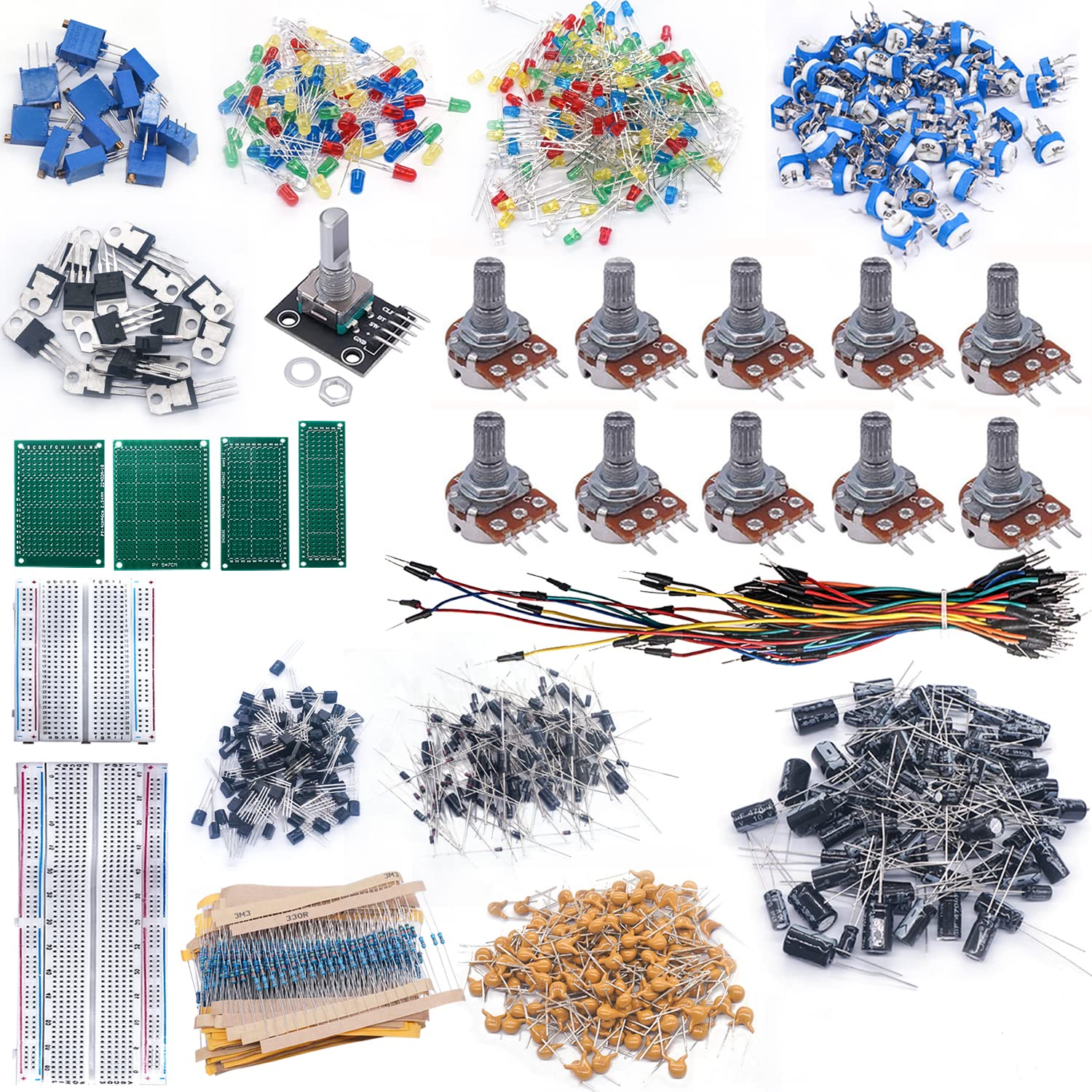
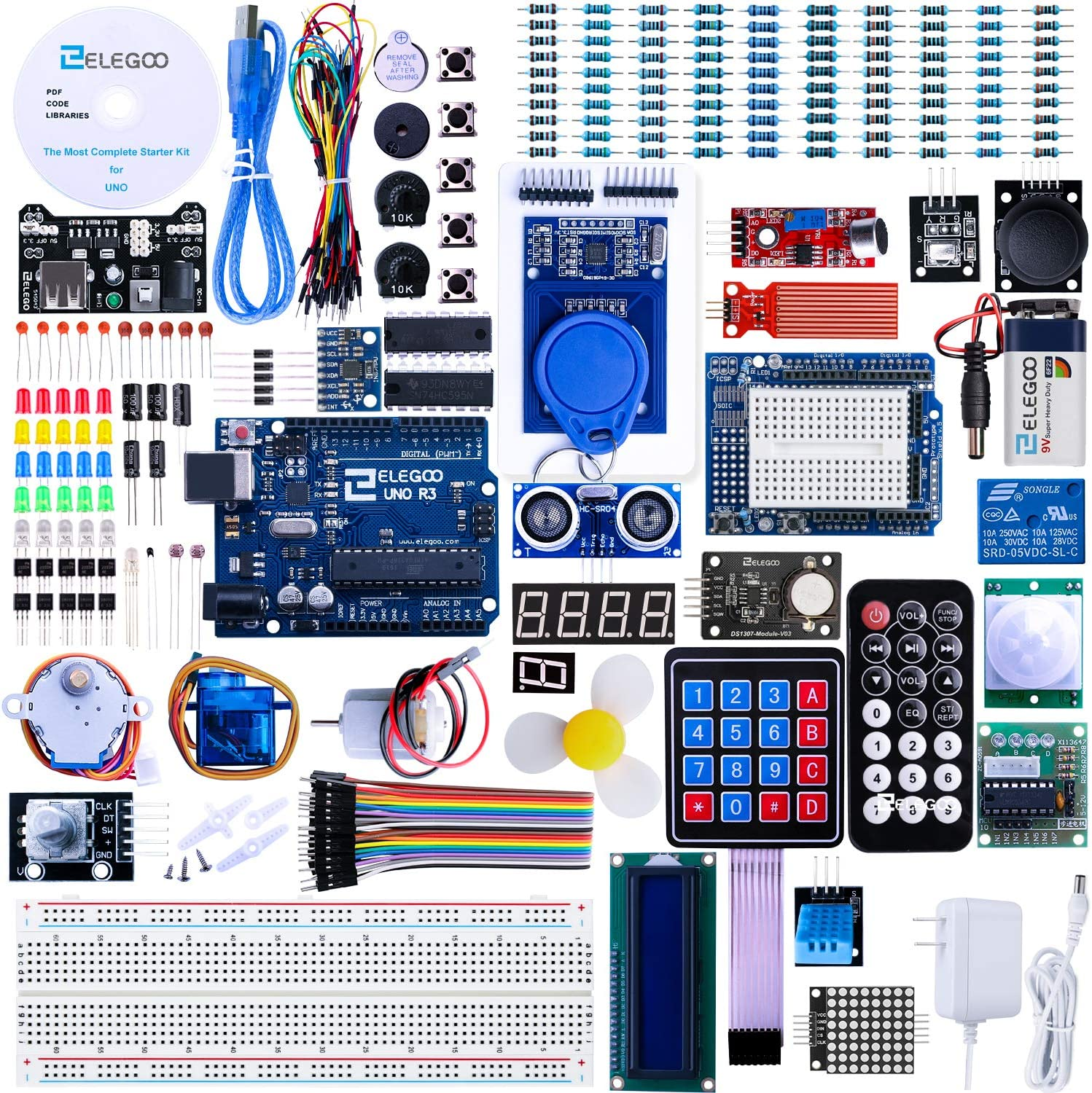
You are new to electronics and have never made a circuit. You are just getting started and want to dip your toes in to see if its something you are interested in. If this sounds like you, then the best place to start might be a starter kit of components and modules. You can do a lot with these cheap kits and they provide an extremely low barrier to entry into the space. This are also a particularly great option for kids to start exploring the world of electronics.
Intermediate
You have some electronics knowledge and have worked on some basic projects in the past. You are wanting to work on more customized designs but aren’t very sure if you would continue working on them in the long term. If this sounds like you, then the best option for you would still be to get kits of assorted parts but more advanced. They are much easier to get, take up less space and are much cheaper. So if you decide to change your mind, you wont have lost a bunch of money.
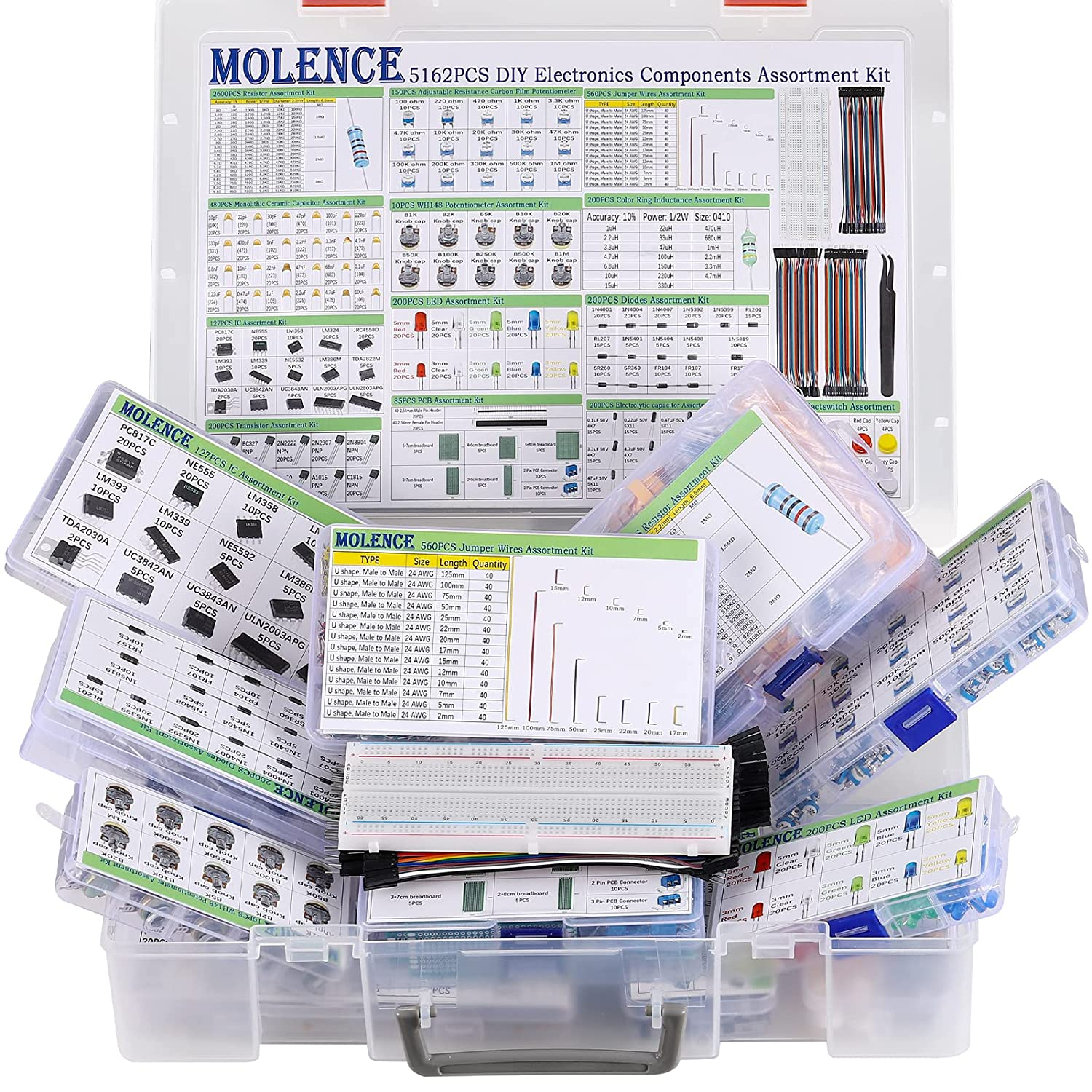
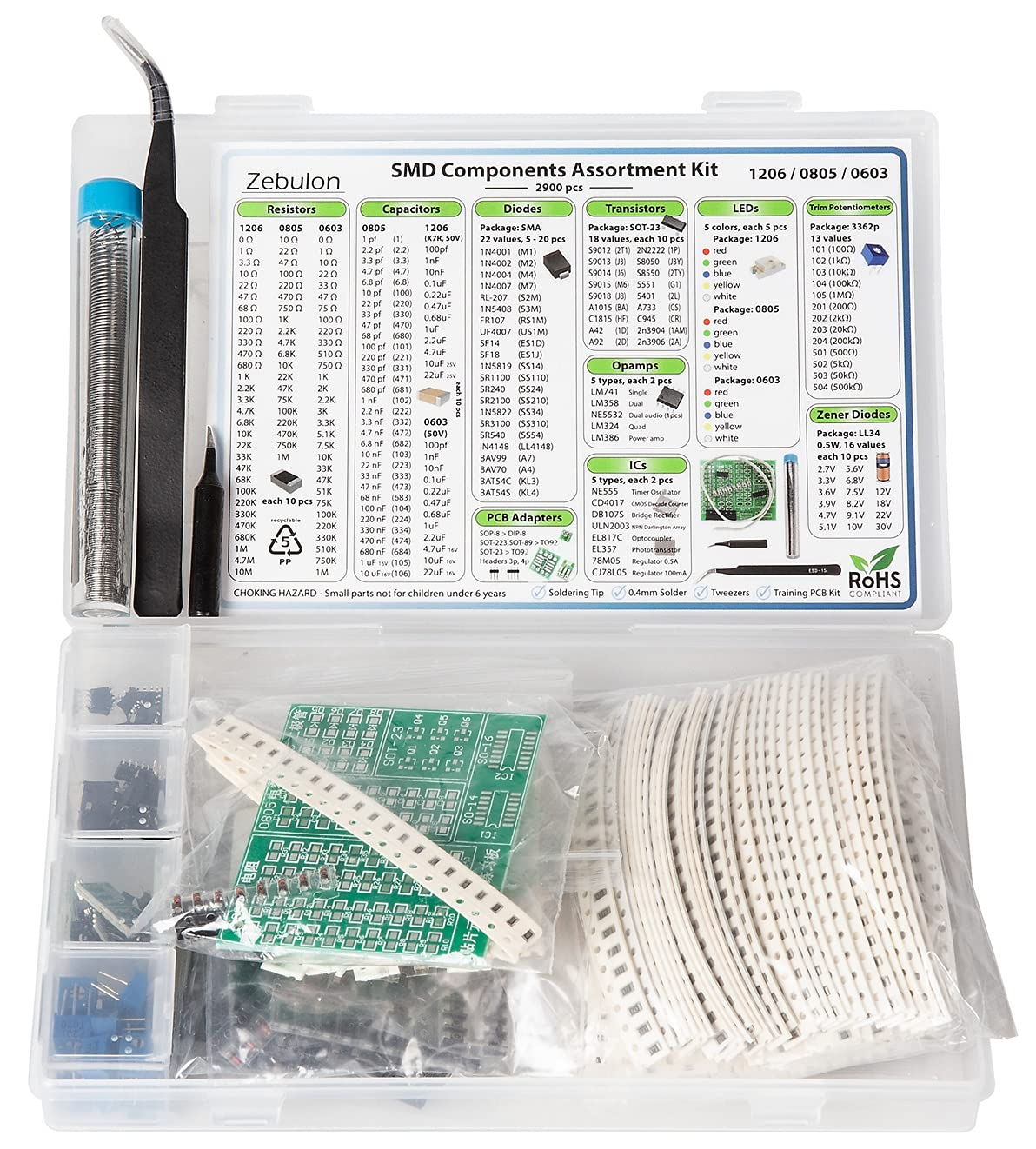
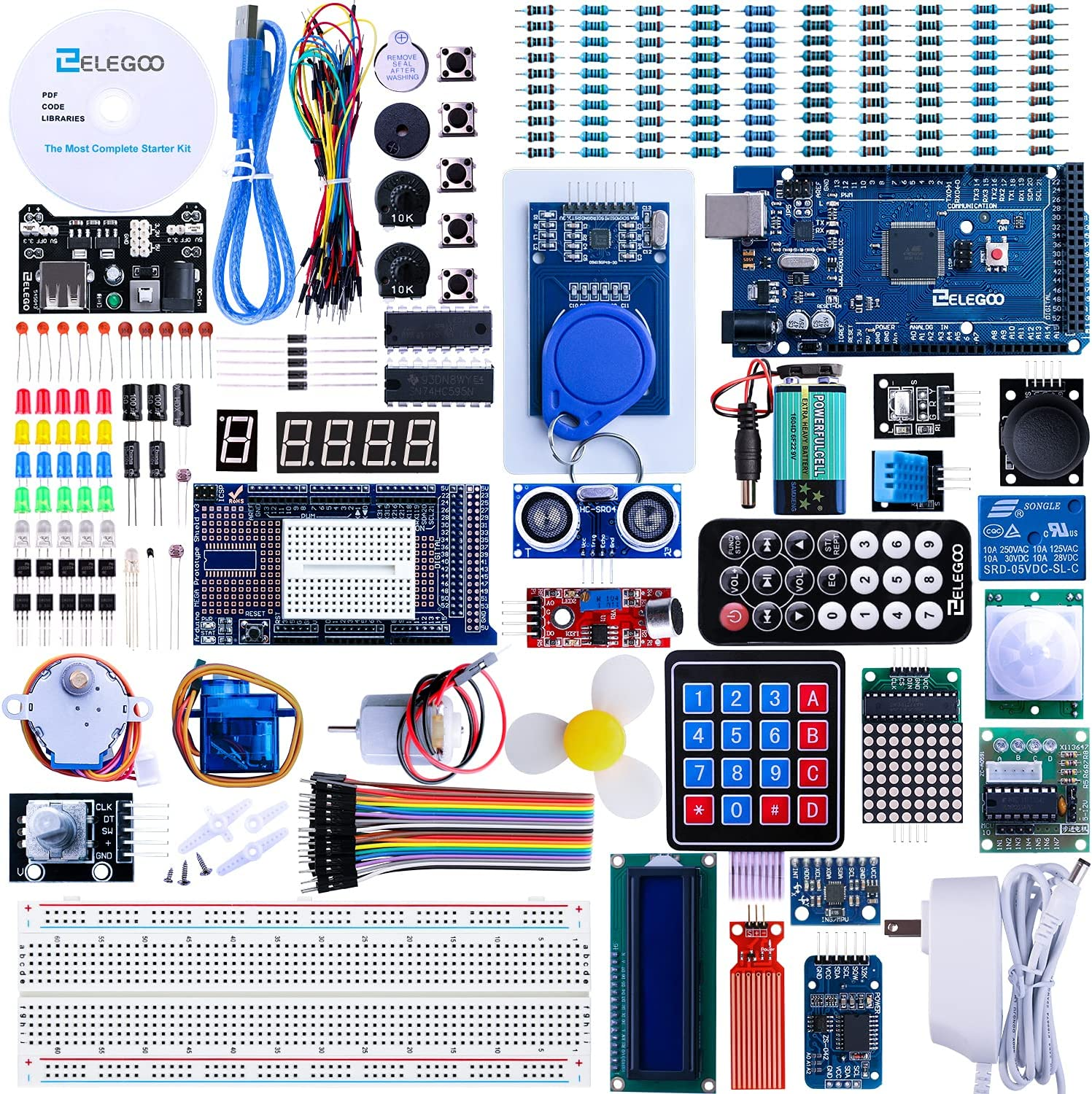

If you need anything beyond what is part of these kits, you should look through the list I have put together below for the advanced users and get the components you need from there. Connectors are a big thing missing from these kits so the connector section might be worth a look.
Advanced
You want to standardize your designs, want a better, more trackable component inventory and will be designing a variety of circuits on a more frequent basis. If that sounds like you, then keep reading because the component list below will be perfect place for you.
Even though I recommended development board and module kits for the beginner and intermediate users above, I will write a separate article on development boards and modules for the advanced users since there is a lot to talk about there.
Distributors
Lets discuss where you could buy these components.
LCSC

If you haven’t heard of LCSC, you are seriously missing out. They have a very large inventory at the best prices a consumer can get. They have brands across the range from names you probably have never heard of, all the way to Nordic, ST and TI. They have all the common components in stock and for cheap.
The only downside is the expensive shipping if you are not in China. But they do have slow, cheaper shipping options. I generally do larger orders from LCSC and only pay for DHL shipping if under a tight timeline.
Digikey

Digikey has brand name components at a premium cost. Those components will be cheaper on LCSC if they are available. I will add Digikey links but I don’t recommend ordering the entire inventory from Digikey, use LCSC instead.
In general, if you want more specialized, higher quality, brand name components or if you want a small number of components quickly, Digikey can be the better option compared to LCSC.
Others
There are plenty of other options like Mouser, Newark, Arrow etc. in the US. I am not too familiar with more regional distributors in other areas like Europe and Asia. LCSC and Digikey do deliver globally but if you know of good regional distributors that you want links added to, reach out and we can work together on that. The other US options aren’t really targeted for consumer sale and have lack luster inventory and stock.
Component Inventory
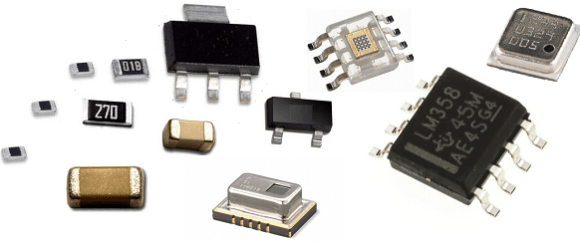
The following component list is the base inventory that I recommend you start with. The components are selected based on my experience working on a variety of SMD circuits and by studying open source designs. They are focused towards low power, microcontroller based circuits with some sensing, control and wireless functionality. The list mainly has SMD components that mount directly onto a PCB but I also include some through hole components as you would need for prototyping circuits on a breadboard. A few things before we get started:
- If your circuit design work is centered around more specialized areas such as analog, digital, power or wireless, then the type and range of components you might need would be different. e.g analog designers would benefit from a large range of rcl and analog components. If you are in that category and would like to add a special sub-section to this list, please reach out.
- A big reason to build your inventory from individual components is so you can maintain it easily. If any part is running low, you can just order more of that part. You also get exact datasheets for your components allowing you to design quicker and avoid mistakes.
- I would still recommend getting the component kits suggested for intermediate users even if you plan to build the base inventory suggested below. And the reason is because I would only be including components and values that are used most often. But in case you encounter a scenario where you need some special value component last minute that isn’t part of the base inventory list, you will still have it on hand without waiting for it to get delivered. And if you plan to make that part of the design, you can add that to your inventory and include it in the next bulk order.
- The LCSC and Digikey component selections are functionally identical for the most part but Digikey components are from more reputable brands whereas LCSC components are a mix of popular brands and cheaper Chinese knock-off brands. The LCSC selection is done carefully to get the most value without compromising on functionality.
List Color Guide
Before we get into it, here are a few things to note that will help you navigate the components lists.
- Green rows should definetely be included in your base inventory.
- Yellow rows are more specialized items that you could skip, read the notes on those for more details.
- Orange rows are components that you can alternatively buy as a kit from Amazon at the links provided.
- Blue columns are for LCSC related component information including the link, part number, LCSC part number and datasheet link from LCSC.
- Red columns are for Digikey related component information including the link, part number, Digikey part number and datasheet link from Digkey.
Resistor
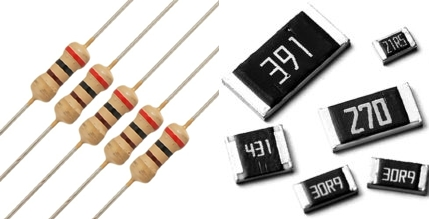
The inventory has a range of 0402 and 0603 resistors for SMD designs and through hole resistors for prototyping. Exact values don’t matter a lot in most applications so these should be all you need.
Certain designs have a feedback resistor or shunt resistor for which you would need a very specific values. There aren’t any common options for those applications so you would have to add those to the inventory yourself.
It helps to keep consistent with a certain brand and series for all your general purpose needs. Avoids any price or availability surprises down the road. You don’t need to go fancy with general purpose resistors so even lesser known brands would work just fine.
Capacitor
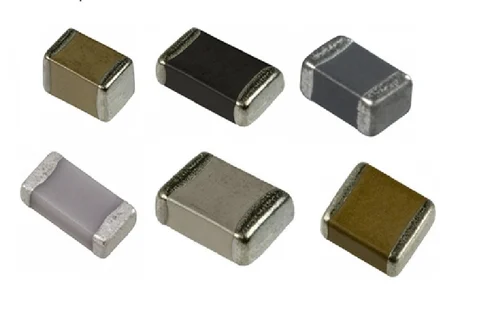
The inventory has a range of common capacitors in 0402, 0603 and 0805 SMD sizes. I have only included the most commonly used values that you will need plenty of. I also threw in some lower values that are used with crystals. A few electrolytic options are added for bulk filtering needs.
I added a few through hole capacitors in a range of values as well, mainly for prototyping. If you are doing more analog circuit design work, you will want to have a much finer range. But that is where, the aforementioned kits can come in handy. Once you determine which value you need for your design, you can include that in your tracked inventory.
Its good to not cheap out on capacitors. You can find plenty of lesser known brands and they would probably work just fine, but for a little extra cost, you can have so much more confidence that the capacitors you are using are built to spec. You can also use tools provided by the popular manufacturers to find all the characteristics of your capacitor including de-rating curves, ESR etc.
Inductor
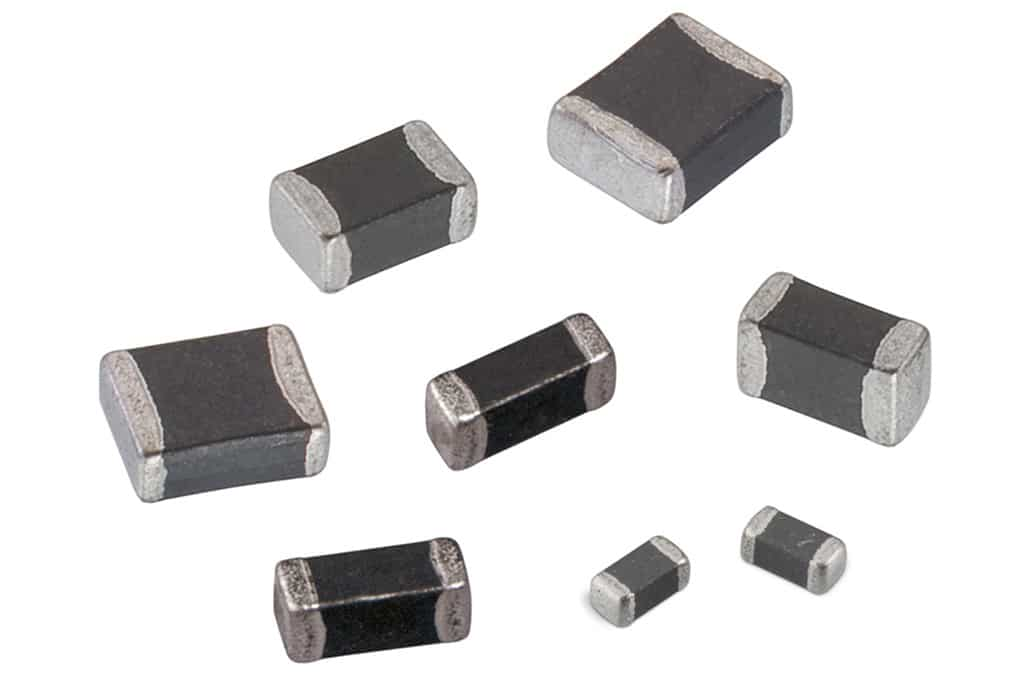
Inductors are primarily used in power circuitry. Those have specialized requirements based on current, size, switching frequency etc so there aren’t many we can include in the base inventory. Hence I have only added some I have seen repeated in a few different circuits. I also included some ferrite beads for power filtering.
LED

The inventory has common colors in 0402, 0603 and 5mm though hole. It also has some RGB options including a few sizes of the popular Neopixel addressable LEDs.
Diode
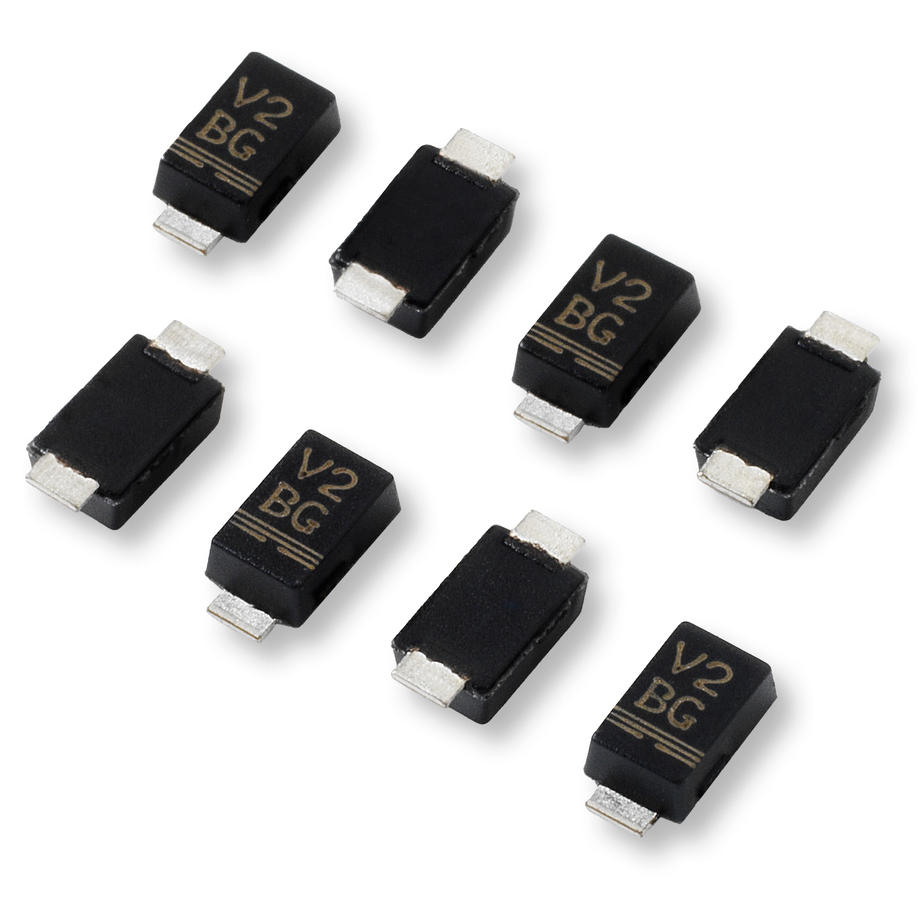
The inventory has a basic selection of switching, rectifier, schottky and zener diodes that will be used most often in circuits. I wanted to include a few TVS diodes for ESD protection but their selection is very dependent on the operating voltage and signal requirements.
Connector
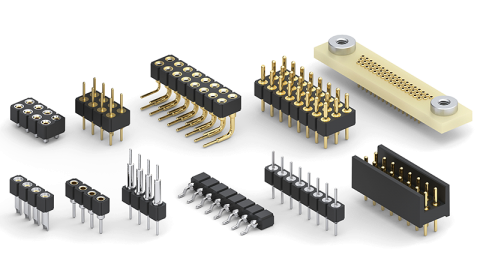
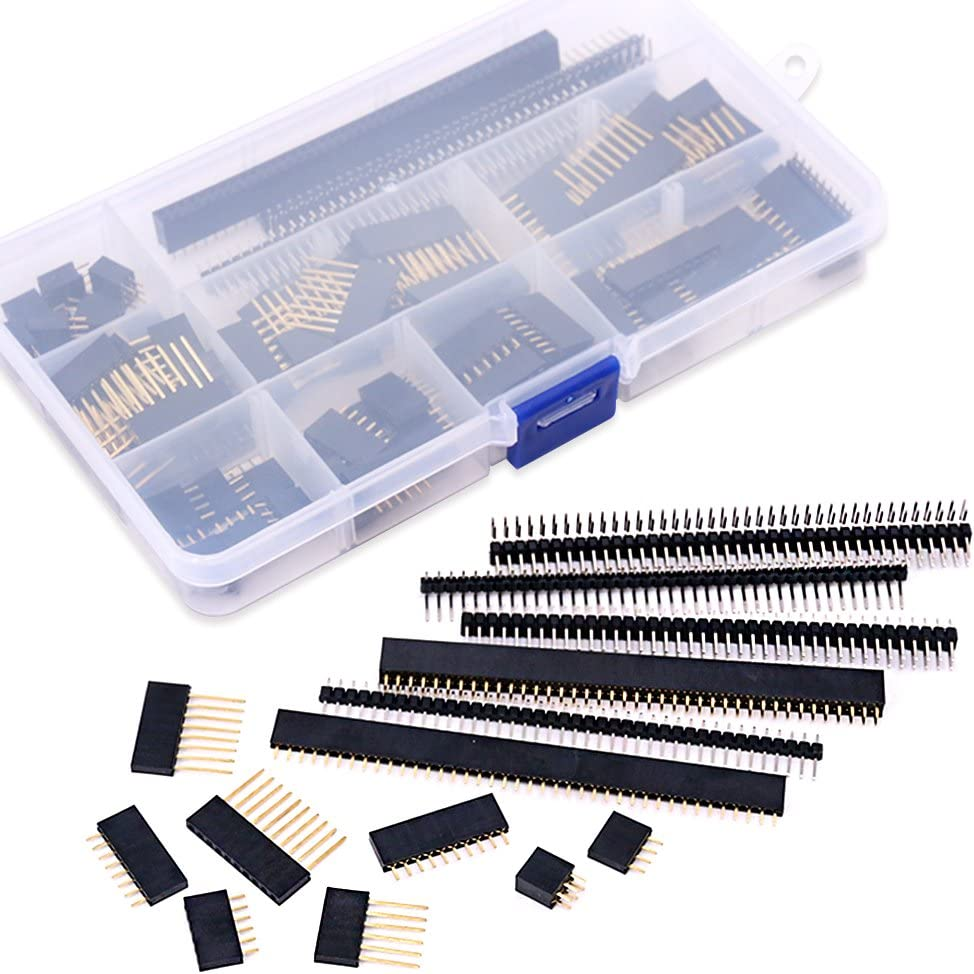
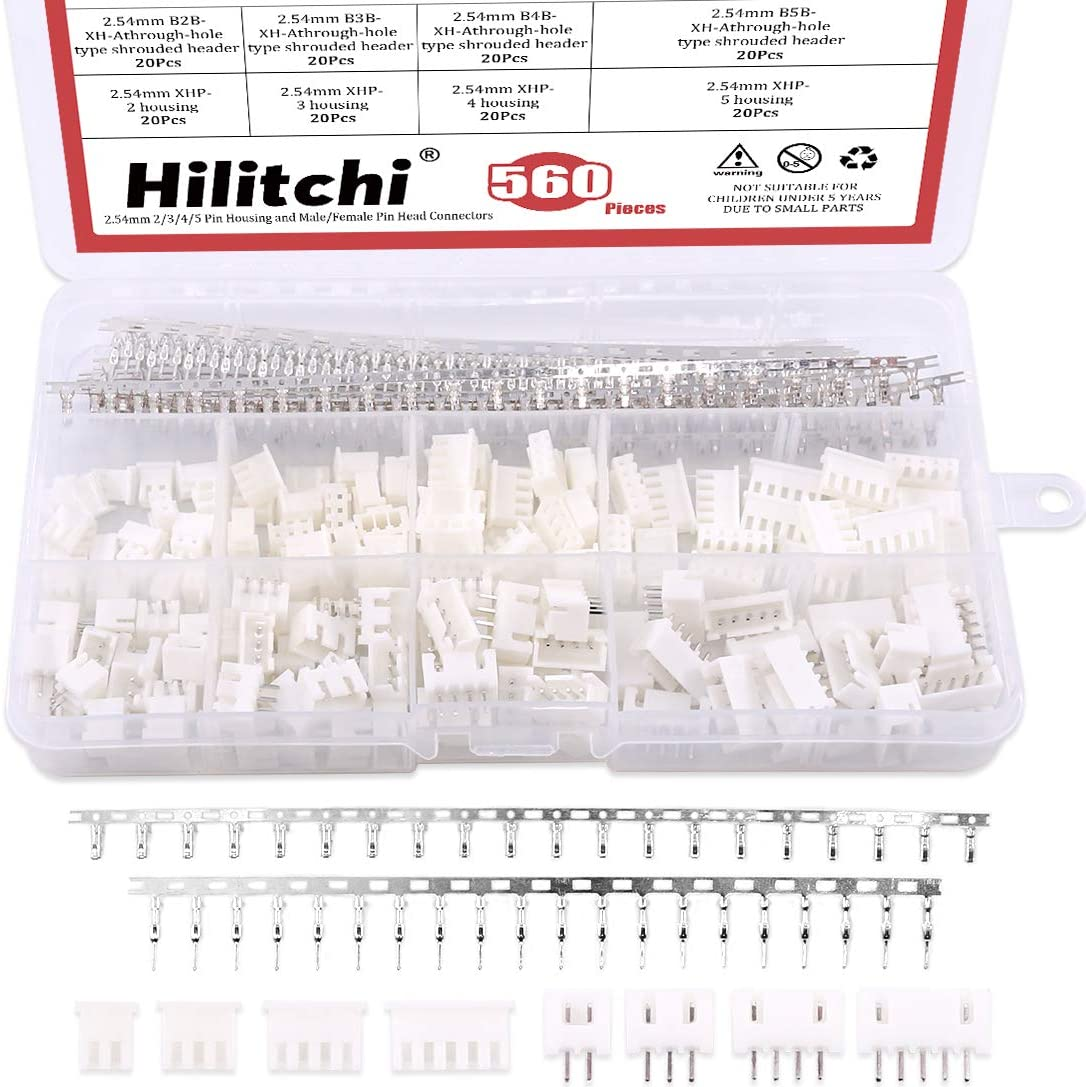
Connectors come in a variety of types, shapes and sizes. The best way to get SMD connectors is through the component distributors. But for through hole connectors, I have found that getting them in kit form from Amazon can be helpful. They come pre-sorted in a parts bin and often have connector accessories bundled together making them an even better value. When you start running low, you can order just what you need from LCSC or Digikey.
The components highlighted in Orange can be purchased as kits from from the Kits section given below. I am only adding the PCB side connectors of those kits in the list so that you have the reference documentation and can reorder them as needed. I will write a separate post about connectors that will go over them in much more detail but the ones given below should be enough for most common use cases.
Kits
Switch
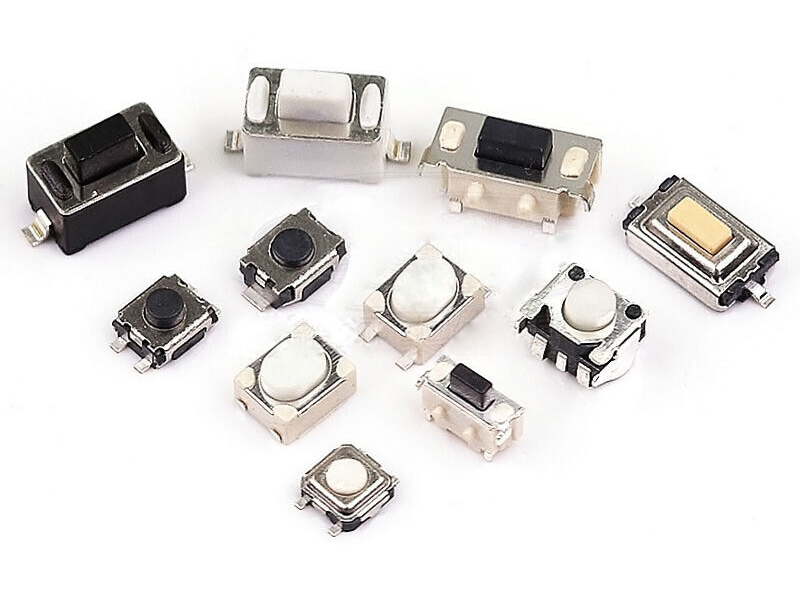
The inventory has a variety of tactile and slide switches in both SMD and through hole versions. These options are inspired by popular designs especially from Adafruit. We have a few different sizes to fit a variety of needs. These do come in a range of heights and actuation forces, which can be selected as needed.
Transistor
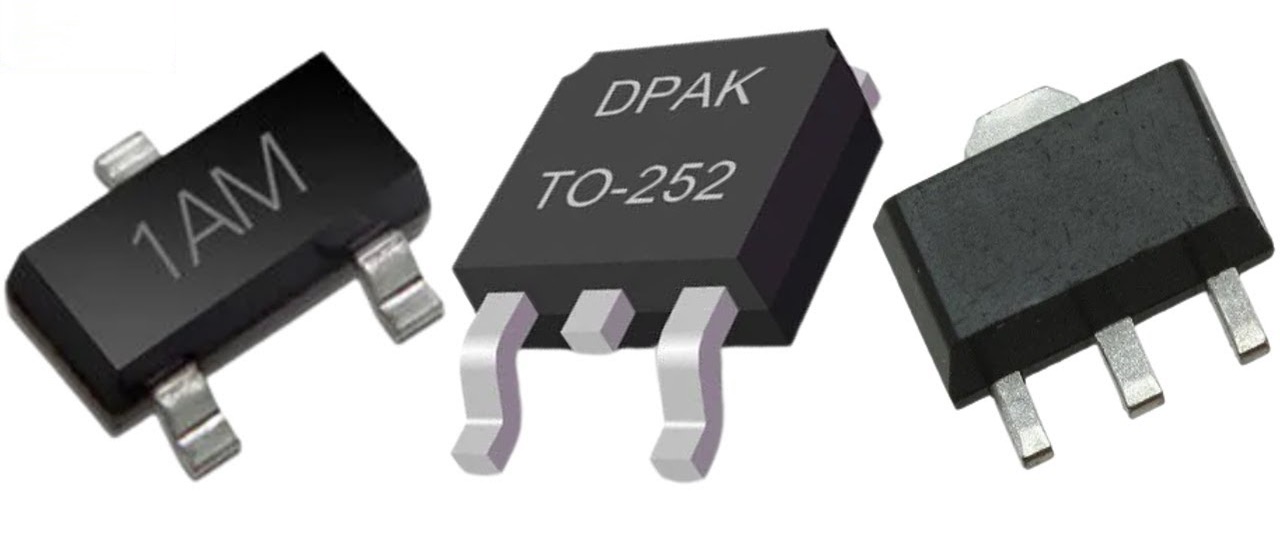
The inventory has a small selection of FETs and BJTs in both SMD and through hole versions. There are options for lower current loads as well as higher current loads. These should be enough for most design although more specialized designs will require more careful selection.
IC
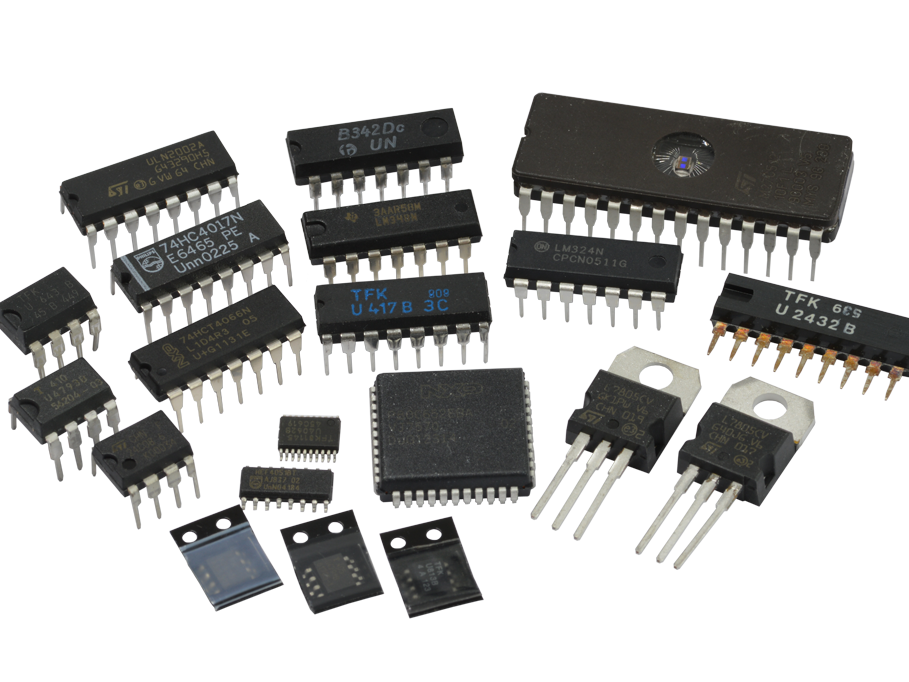
There are a lot of ICs out there but only some of them are seen repeatedly on circuits. The inventory includes a few linear voltage regulators, battery chargers and communication IC’s. I have also included some microcontrollers I have used in the past although these will be more dependent on what you prefer using and what the latest and greatest is.
Miscellaneous
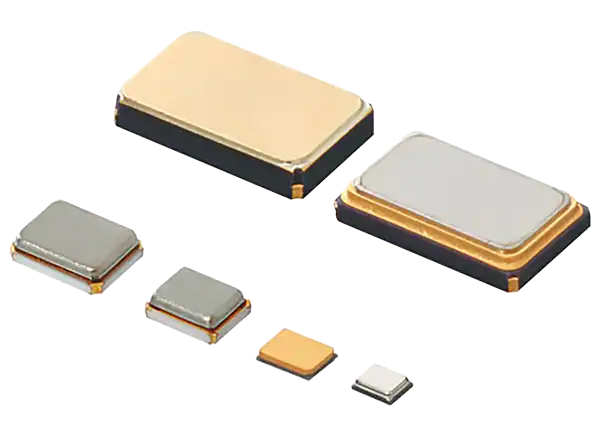
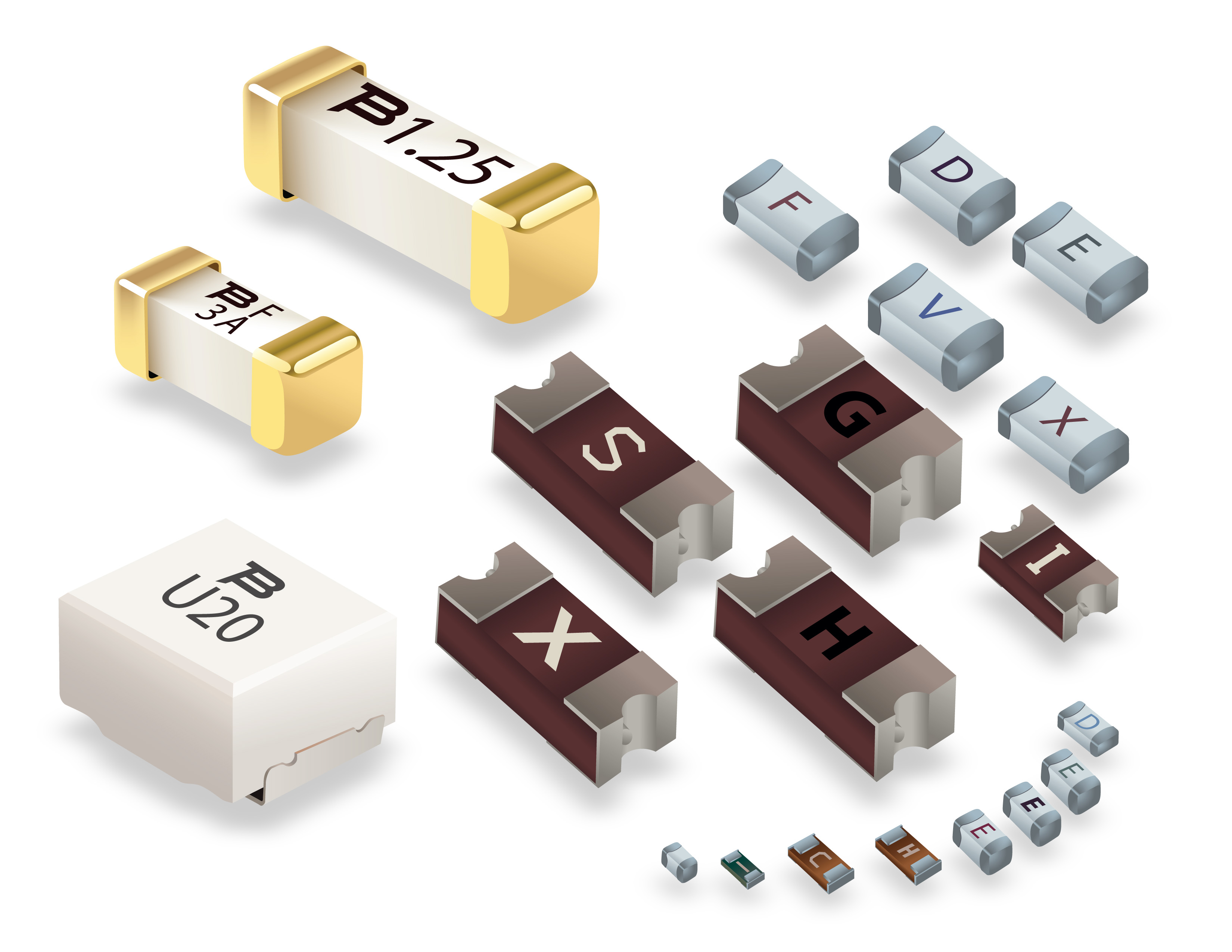
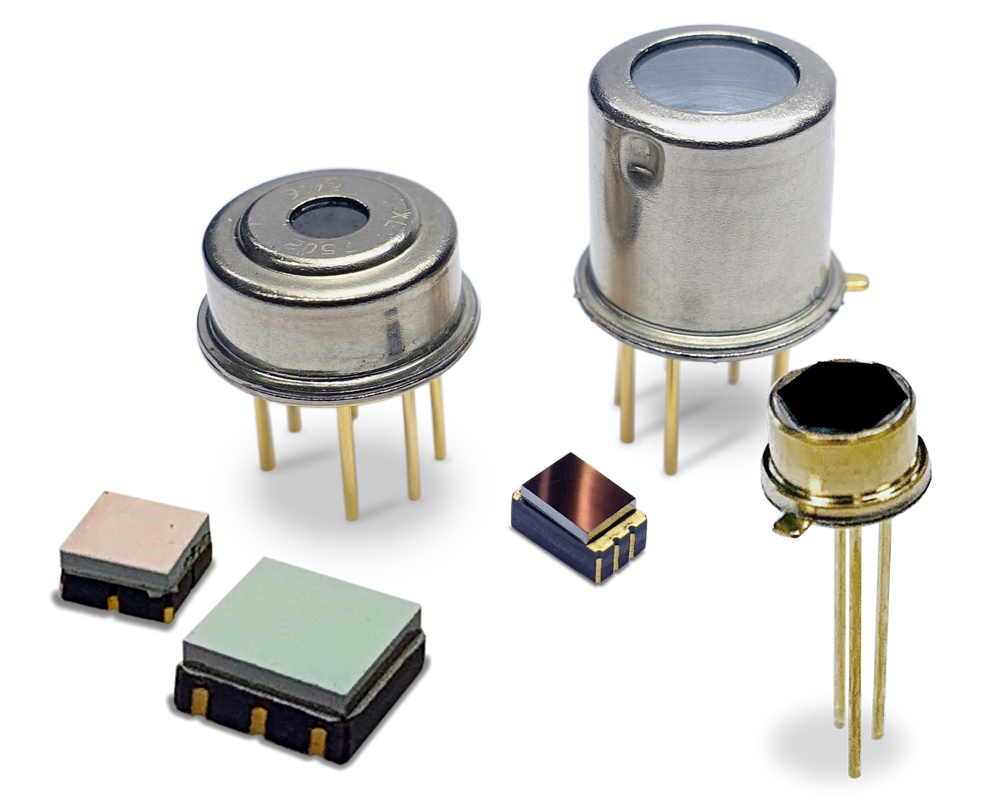
Finally, I bundled all the random components that didn’t fit in any other category here. I have found these useful to have in my inventory and they have been used repeatedly in my circuit designs.
Conclusion
I hope you found the information I presented here useful for your own workflow and were inspired by it to either start building your inventory or level up your current inventory.
Please note that these are based on my experience working on a variety of hobby and professional circuits. If you feel like I missed something or added something extra, please comment below and I can incorporate the feedback. The goal is to make this the ultimate list of common components for the largest audience.
How to Buy?
You can access the entire inventory Google sheets file here. You can download it as a CSV and then import it into LCSC or Digikey to automatically add all the components to your cart. I would want to improve this workflow in the future but for now, this should work.
Component Organization
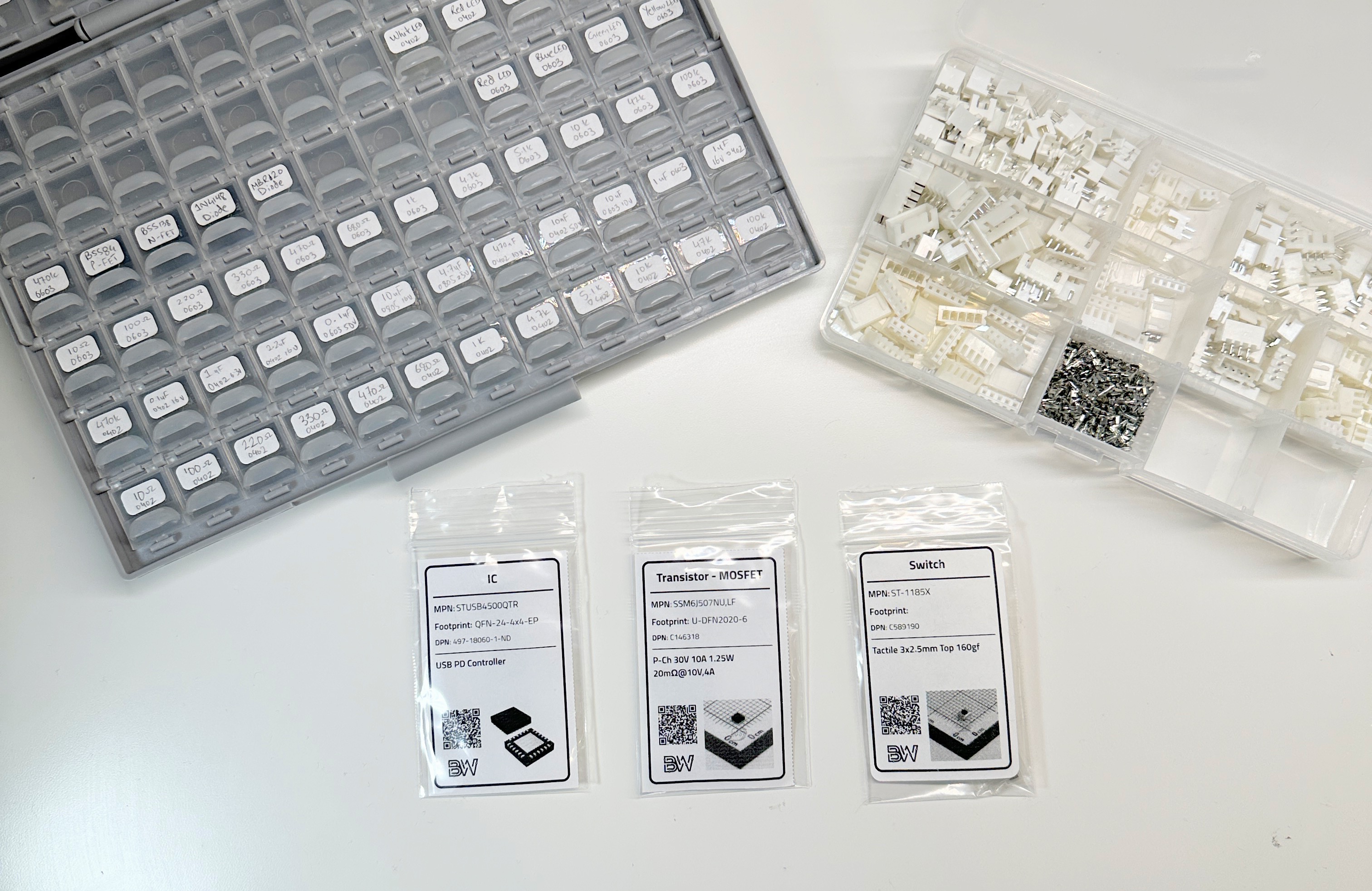
You might be wondering how you should organize all these components that you will buy or maybe you already have a bunch of components that you want to organize. Well, stay tuned because I will write a detailed blog about my organizational system very soon. Subscribe to my blog to you don’t miss it.
Future Work
Here are some things I would want to work on for this in the future. Let me know if you would be interested to helping out with any of these.
- Build a KiCAD library with all the parts in the inventory list.
- Have a way to single click order all the parts from each distributor.
- Add 3D models to all the components
- Add some reference designs that can be made with these components
3 responses to “Electronic Component Guide”
-
Part organization and logistics is most interresting topic, which makes me come back to your blog.
thank you for your nice write-ups. -
you can build up a KiCAD library with all the parts in your inventory list, including 3D models with the help of this little project https://github.com/uPesy/easyeda2kicad.py
-
Great article and a very interesting blog. I’ve been a subscriber for a while and looking forward to the description of the inventory system:
Well, stay tuned because I will write a detailed blog about my organizational system very soon.
Any plans to publish that one in the future?
Keep up the great work!


 Badar Jahangir Kayani
Leave a reply to itisnotleo Cancel reply